
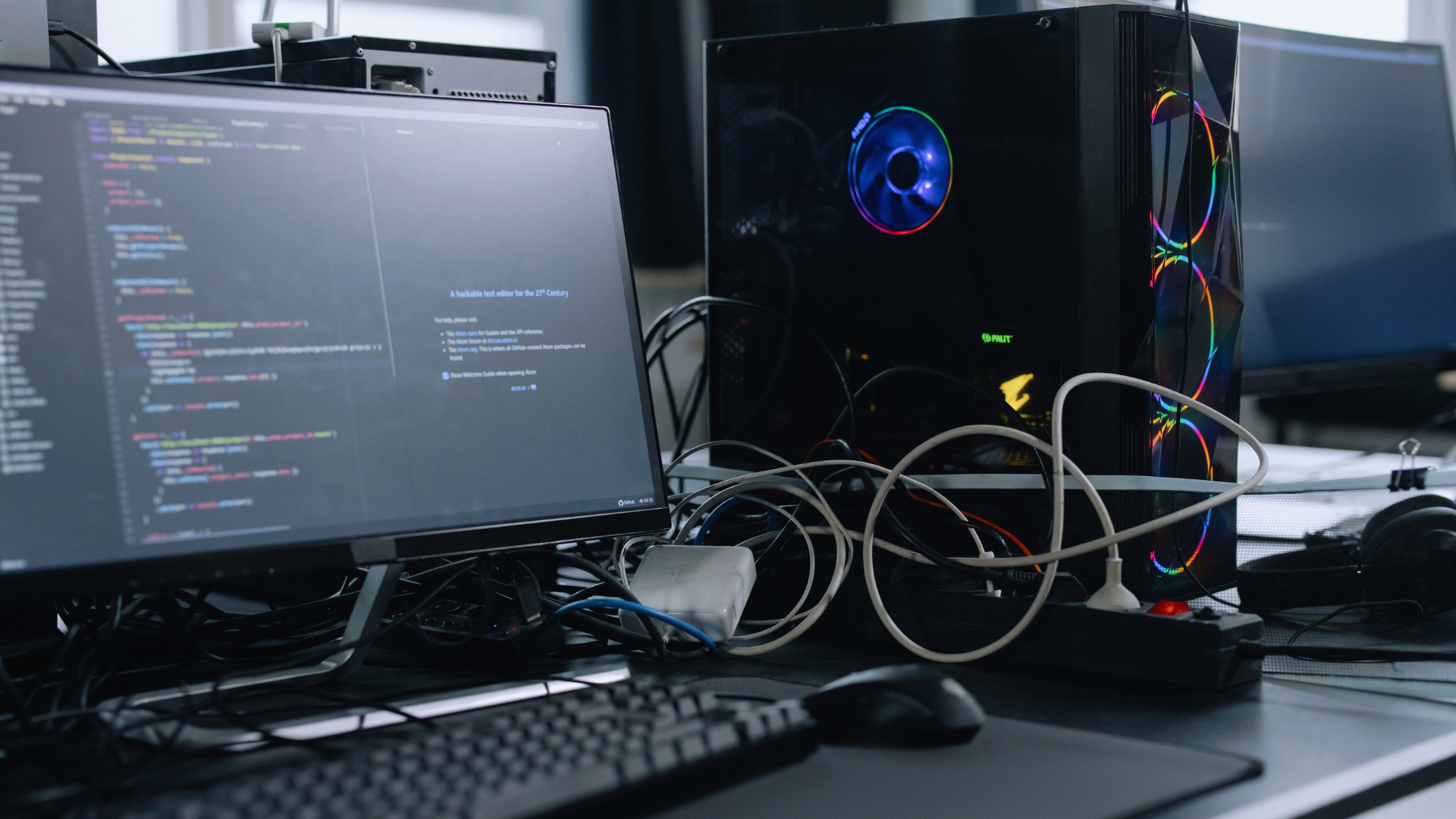


How to Repurpose Old Computers for Creative Projects: Innovative Ideas and Practical Uses
Old computers often sit idle, becoming forgotten relics in basements or garages. Repurposing these devices into creative projects not only gives them a new life but also fosters skills in technology and innovation. From transforming an old laptop into a smart home hub to turning desktop towers into retro gaming machines, the possibilities are numerous and accessible for those willing to experiment.
Creative thinkers can find many ways to utilize old computers. They can be dismantled for parts, utilized in art installations, or even combined with other tech to build something entirely new. By tapping into the potential of outdated machines, individuals can engage in sustainable practices while honing their technical skills.
Exploring these projects not only minimizes electronic waste but also encourages a deeper understanding of technology. With some time and imagination, anyone can breathe new life into an old computer, making it a valuable asset rather than a burden.
Essential Preparations for Repurposing Old Computers
To successfully repurpose an old computer, one must first assess its hardware capabilities, clean and upgrade its components, and select an appropriate operating system. These steps ensure that the repurposed device performs efficiently and meets the project’s requirements.
Assessing Hardware Capabilities
Before starting any project, evaluating the hardware of the old PC is crucial. Key components include the processor, RAM, storage, and graphics capabilities.
- Processor: Check the CPU model and speed. This determines the computer’s overall performance.
- RAM: Assess the amount of memory available. At least 4 GB is recommended for most projects.
- Storage: Identify the type of hard drive (HDD or SSD) and its capacity. SSDs offer better performance.
Use benchmarking tools to gauge performance metrics. If the hardware meets the necessary specifications, it can be effectively repurposed. Otherwise, consider upgrading components.
Cleaning and Upgrading Components
Cleaning the old PC is essential to improve performance and extend its life. Dust and debris can accumulate, affecting air flow and causing overheating.
- Inside the Case: Open the computer case and use compressed air to remove dust from components. Pay special attention to cooling fans and heatsinks.
- Upgrades: Consider adding more RAM or replacing a traditional hard drive with an SSD. Such upgrades can significantly enhance speed and responsiveness.
Also, inspect cables for wear and tidy up the internal layout to promote better airflow. A clean and well-maintained system is key to optimal functioning.
Selecting the Right Operating System
Choosing the right operating system helps maximize usability based on intended projects. Different systems offer distinct advantages.
- Lightweight OS: For older hardware, consider lightweight operating systems like Linux Mint or Lubuntu. They require fewer resources, allowing better performance.
- Mainstream OS: For ease of use and compatibility, Windows or standard distributions of Linux may be appropriate if the hardware supports them.
Evaluate the intended projects to choose an OS that aligns with user needs. Ensuring compatibility with applications is vital for a successful repurposing experience.
Creative Ways to Repurpose Old Computers
Old computers can serve a variety of creative purposes. They can be transformed into entertainment systems, retro gaming devices, or even decorative tech. Here are some detailed options for repurposing those machines.
Transforming Into a Media Center
Repurposing an old computer as a media center allows users to stream movies, music, and shows seamlessly. Installing software like Plex or Kodi provides access to various content libraries.
Requirements:
- Compatible hardware (ensure it has enough RAM and storage).
- Install the chosen media center software.
- Connect to a TV via HDMI.
Creating a media center not only utilizes the computer effectively but also enhances the home entertainment setup. Users can enjoy a wide range of streaming services without the need for additional devices.
Retro Gaming Console With Emulators
Old computers can be transformed into retro gaming consoles using emulators. By installing software like RetroArch, users can play classic games from consoles such as Nintendo and Sega.
Steps:
- Determine the computer’s compatibility.
- Install the emulator and necessary ROMs (ensure they are legally obtained).
- Connect a compatible controller.
This setup caters to nostalgic gamers looking to revisit classic titles. Additionally, using an old PC reduces the need to buy multiple gaming consoles.
Setting Up a Digital Photo Frame
Old computers can also be converted into digital photo frames, showcasing memories in a modern way. By using software to create a slideshow, users can display their favorite images.
Process:
- Use software such as Windows Photos or a specific slideshow application.
- Connect to a monitor or use any compatible display.
- Upload images and adjust settings.
This repurposing method not only breathes new life into old hardware but also serves as a unique decorative item in any room. It’s an engaging way to remember special moments.
Building Specialized DIY Projects
Repurposing old computers can lead to innovative and practical applications. Creative projects such as home security systems, personal servers, and interactive installations can be built with the right setup and components.
Home Security Monitoring With IP Cameras
Old computers can be transformed into dedicated security monitoring systems. By using software like ZoneMinder or iSpy, users can connect IP cameras for real-time surveillance.
Steps to set up:
- Choose Cameras: Select compatible IP cameras that offer good resolutions.
- Install Software: Load monitoring software on the old computer.
- Configure: Set up camera streams and motion detection settings.
This enables remote viewing of live footage and recorded events, enhancing home security without requiring new hardware.
Personal Web and Game Server Applications
Converting a repurposed computer into a web server or game server is achievable with minimal resources. Software such as Apache or Nginx can be used for web hosting. For gaming, Steam offers dedicated server options for popular titles.
Setup Process:
- Requirements: Ensure the old computer has sufficient RAM, CPU power, and storage.
- Select Software: Install a web server application or game server software.
- Network Configuration: Adjust router settings for port forwarding to allow external access.
These setups provide a cost-effective way to host personal projects, websites, or games for friends and family.
Arduino-Powered Interactive Installations
Integrating Arduino with an old computer can create interactive installations that engage users. This involves programming the Arduino to control various hardware components based on user input.
Implementation Steps:
- Select Components: Identify sensors, LEDs, or motors to use with Arduino.
- Programming: Write code using the Arduino IDE to define interactions.
- Connect to Computer: Use the computer for data processing or visualization.
This approach allows for building unique art installations or educational experiences. By leveraging the old computer’s processing power, users can enhance their interactive projects significantly.
Maximizing Value and Sustainability
Repurposing old computers can serve various purposes that enhance value and foster sustainability. With thoughtful planning, these devices can minimize e-waste while inspiring new ideas and projects.
Repurposing for Educational Tools
Old computers can become powerful educational tools. Schools and community centers can benefit from transformed devices that provide access to coding, design, and information technology.
- Coding Lessons: These computers can run lightweight programming environments or platforms like Scratch, sparking interest in coding among students.
- Digital Literacy: They can offer basic computer skills training. This initiative helps bridge the digital divide for communities with limited access to technology.
- DIY Projects: Workshops using old computers can encourage hands-on learning and creativity. Projects like building a simple website or creating digital art can inspire students.
Contributing to E-Waste Reduction
Repurposing old computers significantly contributes to e-waste reduction. Instead of ending up in landfills, these devices can be salvaged and reused, promoting environmental responsibility.
- Recycling Programs: Collaborating with local organizations to recycle components encourages responsible disposal.
- Parts Salvaging: Key components such as RAM, hard drives, and power supplies can be reused in other devices, reducing the need for new materials.
- Donation Initiatives: Many organizations accept working computers to redistribute them to families or nonprofits. This not only helps reduce waste but also supports community needs.
Inspiring Further Innovation
Old computers can be a springboard for further innovations. Creative individuals can utilize these devices for unique projects that push boundaries.
- Art Installations: Artists often use old technology to create interactive experiences or installations that explore the relationship between tech and society.
- Hacking Challenges: Enthusiasts can participate in hackathons focused on reviving these old systems, potentially leading to new software or applications.
- Sustainable Solutions: Some innovators work on eco-friendly technology projects, repurposing old machines to create energy-efficient devices or tools.
By focusing on this approach, the cycle of technology goes beyond mere consumption, engaging communities and sparking new ideas.